
With a target of net-zero emissions by 2050, the shipping sector embarks on a race for decarbonization
Green hydrogen, ethanol, vegetable oils, fats, and even waste, such as used cooking oil, are among the main bets as alternatives to bunker fuel.
- 16/04/2026
- 3 minutes
In the race for decarbonization, fuel producers and companies across various sectors have accelerated the development and adoption of energy alternatives for shipping, aiming to reduce greenhouse gas emissions and increase efficiency. Among the main bets are green hydrogen, ethanol, vegetable oils, fats, and even waste, such as used cooking oil, which emerge as substitutes for the traditional bunker fuel used in naval propulsion.
This movement meets the targets established by the International Maritime Organization (IMO) to reduce total pollutant emissions by at least 20% by 2030 as part of the effort to decarbonize maritime transport and reach net-zero emissions by around 2050. For Julia Touriño, an environmental lawyer at Kincaid Mendes Vianna Advogados, this commitment accelerates projects by providing greater predictability to the market:
— By setting targets, the IMO transforms the decarbonization of shipping into a progressive regulatory obligation, rather than a mere voluntary or reputational agenda.
Filipe Bonaldo, from the consultancy A&M Infra, notes that the various raw materials used for this purpose bring uncertainty about which technological route will prevail in a global market that consumes 200 billion liters per year:
— While alternatives like biodiesel are already being tested, routes like green hydrogen require systemic and infrastructural changes, as they are not compatible with current systems. Additionally, green fuel still has a significantly higher cost than traditional bunker fuel.
Pioneering Vessel
Despite the challenges, Vale has just announced the conclusion of a charter agreement for two new ethanol-powered ships, which will be delivered starting in 2029 and will have the potential to reduce carbon emissions by approximately 90% compared to heavy fuel oil.
— It is the first time that ethanol will be adopted as the main fuel in an transoceanic vessel — emphasizes Rodrigo Bermelho, Shipping Director at Vale.
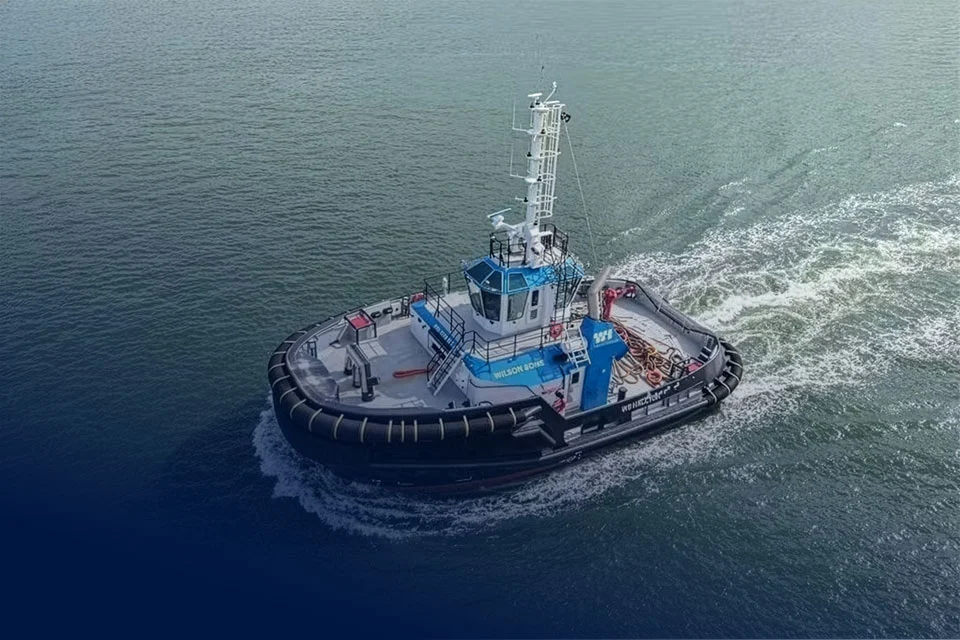
Meanwhile, Wilson Sons, a port and maritime logistics operator, bets on biodiesel in vessels as a decarbonization opportunity. Gustavo Machado, a director at the company, says that cooking oil has been used in fuel production for a year, helping to reduce emissions by more than 80%:
— The strategy is to test biofuel alternatives and evaluate the operation and performance of the vessels’ main engines.
Ocyan, which provides services to the oil and gas industry, developed—in partnership with other companies—a technique that uses hydrogen to optimize combustion in large diesel engines on vessels. The goal is to reduce greenhouse gas emissions and fuel consumption by up to 10%.
— The project is in the development phase, with initial application for drilling rigs, but we are also already exploring the potential to replicate this innovation for support and shipping vessels that use diesel combustion engines, as well as for several other sectors — states Rodrigo Chamusca, Executive Manager of Digital Business and Technology at Ocyan. — Global decarbonization targets help direct companies’ efforts toward investing in solutions that seek to reduce emissions, both in maritime transport and in other industries.
Source: O Globo