
Green hydrogen is one of the bets for decarbonizing shipping
Ethanol, vegetable oils, fats, and even waste are being analyzed to replace fossil fuels
- 16/04/2026
- 5 minutes
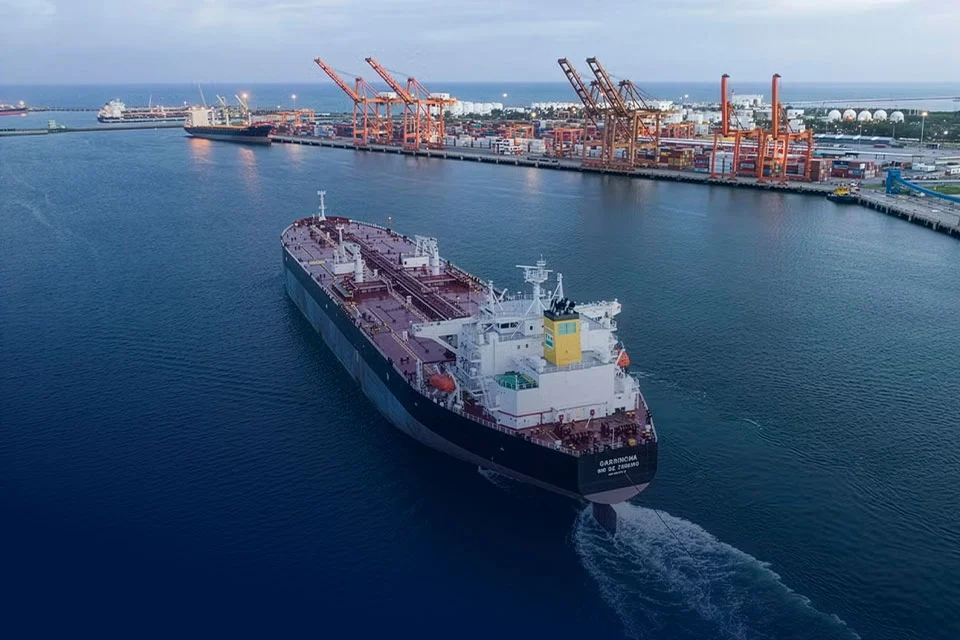
Fuel producers and companies from various sectors have begun a race to develop and adopt alternative fuels for shipping to reduce emissions and increase efficiency. Among the main bets are the use of green hydrogen, ethanol, vegetable oils, fats, and even waste, such as used cooking oil, to replace traditional fuel oil, known as bunker fuel. Maritime transport accounts for approximately 3% of global greenhouse gas emissions.
The search for new solutions aims to meet targets defined by the International Maritime Organization (IMO), which forecasts a reduction of at least 20% in total emissions by 2030 and points toward net-zero emissions by around 2050. According to Julia Touriño, an environmental lawyer at Kincaid Mendes Vianna Advogados, the agreement tends to boost projects by creating predictability for the market.
“The IMO transforms the decarbonization of shipping into a progressive regulatory obligation, rather than a mere voluntary or reputational agenda,” says the lawyer. “New financing fronts, both public and private, are opening up for projects linked to low-carbon fuels, sustainable port infrastructure, and fleet energy transition.”
Petrobras is betting on B24, which uses 24% renewable components such as vegetable oils, fats, and waste. The state-owned company is expanding its project range with initiatives to develop maritime fuel from low-carbon methanol and ammonia, produced using hydrogen and carbon capture, for example. The company is also evaluating ethanol. “These projects leverage Brazil’s wide availability of renewable resources to produce fuels with significantly reduced carbon footprints, enabling deep decarbonization of the segment,” the company reports. At Transpetro, a subsidiary of the state-owned company, more than 4,000 tons of B24 were used, preventing the emission of approximately 1,600 tons of carbon dioxide—the primary cause of the greenhouse effect. According to Transpetro, ships are already technically capable of receiving biofuel blends of up to 50%. “Brazil is fully equipped to lead decarbonization projects in shipping, especially due to its potential in biofuel production and the development of new technologies,” stated the subsidiary.
Vale has concluded a charter agreement for two new ethanol-powered vessels, to be delivered starting in 2029, with the potential to reduce carbon emissions by about 90% compared to heavy fuel oil. According to the miner, this will be the first time in the maritime industry that ethanol is adopted as the primary fuel for an ocean-crossing vessel. “These ships will be triple-fuel [ethanol, methanol, and heavy oil] and will also have a retrofit option for LNG [liquefied natural gas] and ammonia. This flexibility is a competitive advantage, in addition to promoting decarbonization in the maritime sector,” evaluates Rodrigo Bermelho, Shipping Director at Vale.
Axia Energia (formerly Eletrobras) is also targeting the segment. The company is evaluating participation in project consortia for green hydrogen plants and hubs, as well as the production of green methanol and ammonia for maritime transport. According to Virgínia Fernandes, the company’s Customer Relationship Director, activities in the waterborne sector began in 2025 with the signing of a technical cooperation agreement with the National Waterborne Transport Agency (Antaq), focused on evaluating solutions in renewable energy, electrification, and emission reduction in ports and terminals. “We are considering operating as a producer and supplier of green hydrogen,” says the director. In Fernandes’ view, the large-scale adoption of green hydrogen (H2V) and its derivatives still faces technical, economic, and regulatory challenges, such as the need for dedicated port infrastructure for production, storage, and refueling, as well as high costs and scale.
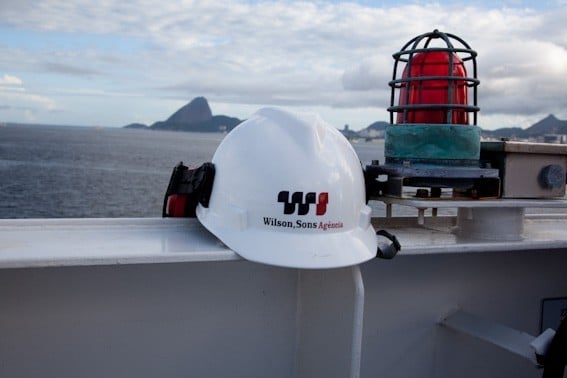
Wilson Sons, a port and maritime logistics operator, is betting on biodiesel. According to director Gustavo Machado, cooking oil has been used in fuel production since March 2025. For him, emission reductions in operations have reached over 80%. “The strategy to advance decarbonization is to test biofuel alternatives and evaluate the operation and performance of the vessels’ main engines, in addition to quantifying the emission reductions achieved,” states Machado.
Ocyan, which provides services to the oil and gas industry, has developed—in partnership with other companies—a technique that uses hydrogen to optimize combustion in large diesel engines. The goal is to reduce emissions and fuel consumption by up to 10%. The project initially targets drilling platforms, but the company is also considering adapting it for support and shipping vessels, as well as sectors like mining, thermoelectric generation, and heavy road transport. “Global decarbonization targets help direct companies’ efforts toward investing in solutions that seek to reduce emissions in maritime transport and other industries,” says Rodrigo Chamusca, Executive Manager of Digital Business and Technologies at Ocyan.
Filipe Bonaldo, from the consultancy A&M Infra, points out that the various raw materials currently in use indicate uncertainty about which technological route will prevail in the future within a global market that consumes 20 billion liters per year. “While alternatives like biodiesel are already being tested, routes like green hydrogen require structural changes in the fleet and infrastructure, as they are not compatible with current systems. From an economic standpoint, green fuels still have a significantly higher cost than traditional bunker fuel,” he says.
Source: Valor